
Facing criminal charges can be a stressful and uncertain experience. An arrest or criminal accusation can affect your freedom, finances, employment, relationships, and reputation, even before a case reaches trial. The legal process can also involve unfamiliar terminology, strict deadlines, court appearances, evidence reviews, negotiations, and decisions that can have lasting consequences. Because every case involves different circumstances, the type of legal assistance a person needs can vary based on the allegations, evidence, potential penalties, and stage of the case.
Knowing how different types of defense services work can make the legal process easier to understand. The following sections explain common areas of criminal defense, including assistance with DUI allegations, felony charges, drug offenses, and other criminal matters.
What a Defense Attorney Does in a Criminal Case
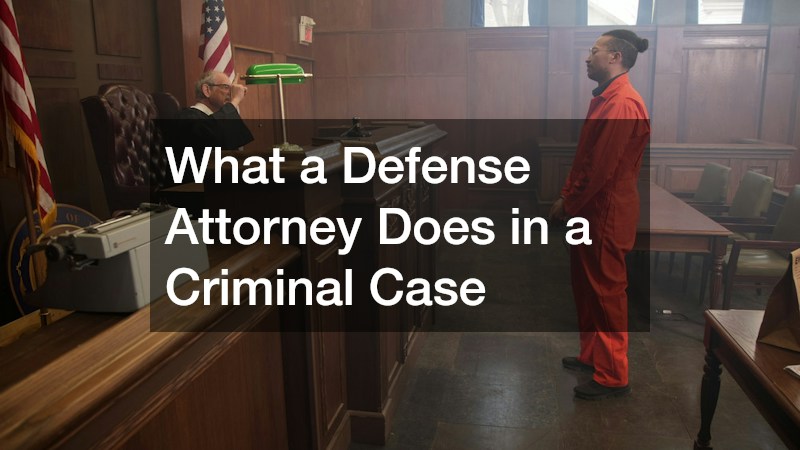
A criminal defense attorney represents people accused of violating criminal laws. Their responsibilities can begin shortly after an arrest or charge and continue through various stages of the legal process. Depending on the circumstances, representation can involve reviewing evidence, communicating with prosecutors, appearing at hearings, negotiating potential resolutions, and preparing a case for trial.
One of the first steps can involve reviewing the allegations and circumstances surrounding the arrest or investigation. This may include examining police reports, witness statements, photographs, video recordings, physical evidence, and other available information. The attorney can identify factual or procedural issues that could affect how the case proceeds.
Representation can also involve explaining court procedures and legal options. A person accused of a crime may have several decisions to make, such as whether to accept a proposed plea agreement or proceed toward trial. A defense attorney can explain the potential legal consequences associated with different options, allowing the accused person to make informed decisions.
Another important responsibility is protecting the client’s legal rights throughout the proceedings. Depending on the circumstances, this can include challenging evidence, questioning witnesses, filing motions, and raising procedural issues. The specific work performed depends on the allegations and the laws that apply to the case.
How a Defense Lawyer Helps Protect Your Rights
A criminal defense lawyer can help protect a defendant’s rights throughout an investigation and court proceeding. Criminal defendants have legal protections that can affect how evidence is collected, how questioning is conducted, and how a case moves through the court system.
For example, constitutional protections can address searches and seizures, self-incrimination, and the right to legal representation. Whether a particular protection applies in a specific situation depends on the facts and applicable law. A lawyer can examine the circumstances and determine whether there are legal issues that should be raised.
A defense lawyer can also review whether authorities followed required procedures. If evidence was obtained improperly, there may be circumstances in which the defense can ask a court to exclude it. Motions involving evidence or procedure can sometimes have a significant effect on the direction of a case.
Communication is another important part of legal representation. Prosecutors, law enforcement agencies, and courts may use formal procedures and terminology that can be difficult for someone unfamiliar with the legal system to interpret. A lawyer can communicate with the relevant parties on the client’s behalf and explain developments as the case progresses.
Protecting rights does not necessarily mean taking a case to trial. In some circumstances, negotiations can result in a plea agreement or another resolution. The appropriate approach depends on the evidence, charges, applicable law, and the client’s goals.
What Criminal Defense Services Can Include
A criminal defense service can involve much more than courtroom representation. Legal assistance can be provided at different points in a criminal proceeding, depending on the person’s circumstances and the services offered by the law office.
Initial consultations often involve discussing the allegations, reviewing available documents, and explaining what may happen next. This meeting can help identify important deadlines, upcoming hearings, and information that may be useful for evaluating the case.
After representation begins, legal work may include reviewing police reports and other evidence, researching applicable laws, communicating with prosecutors, preparing motions, attending hearings, and negotiating potential resolutions. If a case proceeds to trial, preparation can include developing a defense strategy, reviewing witnesses, preparing questions, and presenting arguments in court.
Some legal services are focused on particular stages of a case. For example, a person may need assistance with a bond hearing shortly after an arrest. Another person may require representation during plea negotiations or trial proceedings. Post-conviction matters can involve additional legal procedures, depending on the jurisdiction and circumstances.
Because criminal law varies by state and locality, the services available and procedures involved can differ. People should discuss their specific circumstances with a qualified legal professional who practices in the relevant jurisdiction.
When to Seek Help After a DUI Arrest

A DUI arrest can create immediate legal concerns. Depending on the jurisdiction, a person may face both a criminal proceeding and separate consequences involving driving privileges. These matters can involve different procedures and deadlines.
A DUI lawyer can review the circumstances surrounding the traffic stop, arrest, chemical testing, and other evidence. Relevant information may include the officer’s observations, field sobriety testing, breath or blood testing, video recordings, and statements made during the encounter.
The timing of legal assistance can matter because some jurisdictions impose deadlines related to driver’s license consequences or other administrative proceedings. Missing a deadline can limit available options, so someone who has been arrested should determine what deadlines apply as soon as possible.
A lawyer can also explain the potential consequences associated with a DUI charge. These consequences can vary based on factors such as the jurisdiction, prior convictions, alleged blood alcohol concentration, whether an accident occurred, and whether anyone was injured.
Not every DUI case proceeds in the same manner. Questions about the traffic stop, testing procedures, probable cause, evidence handling, and other circumstances can affect the legal issues involved. A lawyer can review those details and explain the options that may be available.
How Criminal Attorneys Handle Different Charges
A criminal attorney may handle a wide range of allegations, and the legal approach can depend heavily on the specific offense. Criminal charges can involve property offenses, violent offenses, driving offenses, financial allegations, drug offenses, and many other categories.
The elements of the alleged offense are an important starting point. Prosecutors generally must establish the required elements of a charged crime under the applicable legal standard. A defense lawyer can examine whether the available evidence addresses each required element.
Evidence can also differ substantially between cases. A theft allegation might involve surveillance footage, transaction records, or witness testimony. An assault case could involve medical records, photographs, eyewitness accounts, or video. A financial crime case may involve extensive documents and electronic records.
The defense may therefore focus on different issues depending on the allegations. In some cases, the central question is whether the accused person committed the alleged conduct. In others, the facts may be largely undisputed, but there may be disagreements about intent, identity, the classification of an offense, or another legal element.
A defense strategy should be based on the facts and applicable law rather than assumptions about how another case was handled. Legal professionals can review the evidence and explain which issues may be relevant to a particular charge.
What Felony Defense Can Involve
Felony charges generally involve offenses considered more serious under state or federal law and can carry significant penalties. Depending on the jurisdiction and offense, consequences can include incarceration, fines, probation, restrictions on certain rights, and other long-term effects.
Felony attorneys may assist clients from the early stages of a case through trial or another resolution. Their work can include examining the prosecution’s evidence, investigating factual issues, negotiating with prosecutors, filing motions, and preparing for court proceedings.
The classification of a felony can also matter. Different offenses and felony degrees can carry different sentencing ranges and legal consequences. Prior convictions can affect sentencing in some circumstances, which makes a complete review of a person’s criminal history important when assessing potential outcomes.
Felony cases can involve extensive evidence and multiple court appearances. An attorney may need to review forensic evidence, digital records, financial documents, witness statements, or other materials. The defense may also investigate information that was not included in the initial police report.
A person facing felony charges should pay close attention to court dates and conditions of release. Violating release conditions can create additional legal problems. Communication with legal counsel can help a defendant understand the requirements that apply while the case is pending.
How Drug Charges Are Defended in Court

Drug charges can involve allegations concerning possession, distribution, manufacturing, trafficking, or other conduct involving controlled substances. The specific offense and potential consequences depend on the applicable jurisdiction, the substance involved, the alleged quantity, and other circumstances.
A drug defense law firm may review how law enforcement discovered the alleged substance and how officers obtained the evidence. Search and seizure issues can be particularly relevant in cases involving vehicle searches, residential searches, traffic stops, or searches conducted pursuant to warrants.
The defense may also examine how physical evidence was collected, documented, tested, and stored. Chain-of-custody records and laboratory results can be relevant to the prosecution’s evidence. Other issues can include whether the accused person knowingly possessed the substance or whether the evidence establishes the required elements of the charged offense.
Drug cases can sometimes involve additional allegations, such as possession with intent to distribute or offenses involving multiple defendants. These circumstances can make the evidence and potential penalties different from those associated with a simple possession allegation.
Because drug laws differ significantly among jurisdictions, general information cannot determine how a particular case will be treated. A person facing drug charges should have the specific allegations and evidence reviewed by a lawyer familiar with the applicable laws.
When to Work With a Lawyer on Criminal Charges
A criminal lawyer can provide legal guidance at different stages of a criminal matter. Some people seek representation after an arrest, while others contact a lawyer after receiving a court notice or learning that they are the subject of an investigation.
Seeking legal assistance early can give a lawyer more opportunity to review available evidence and identify important procedural issues. It can also help a person understand conditions of release, upcoming hearings, and other obligations.
People should avoid assuming that every criminal case follows the same process. The applicable procedures can depend on whether the charge is handled in state or federal court, the classification of the offense, and the jurisdiction where the alleged conduct occurred.
Legal representation can also be useful when someone is considering a plea agreement. A lawyer can explain the charges involved, potential sentencing consequences, and terms of the proposed agreement. The final decision about whether to accept an agreement belongs to the defendant.
Someone who has not yet been formally charged may also have legal options. In certain circumstances, a lawyer can communicate with investigators or prosecutors and advise the person about responding to requests for information. The appropriate steps depend on the circumstances of the investigation.
What to Expect From a Criminal Defense Firm
A criminal law firm may have lawyers who handle different types of cases and provide representation at different stages of criminal proceedings. The structure and services of each firm can vary, so prospective clients should ask questions about how their matter would be handled.
An initial consultation may involve discussing the charges, relevant events, prior history, court dates, and available evidence. The lawyer may explain potential legal issues and describe the next steps in the case.
Communication practices can also vary. Clients may want to ask how they can contact their lawyer, who will handle routine questions, and how updates will be provided. Understanding these expectations at the beginning can make communication easier as the case progresses.
Clients should also understand the scope of representation and fees. Some firms charge flat fees for particular services, while others use different billing arrangements. The fee structure should be discussed before representation begins.
A firm may also assign different responsibilities among its lawyers and staff. Asking who will appear at hearings, who will communicate with prosecutors, and who will prepare the case can help a client understand the representation.
How Defense Strategies Vary by Case Type

Criminal defense cases can differ substantially even when the charges appear similar. The facts surrounding an allegation, the available evidence, the defendant’s history, and the applicable law can all affect the legal issues involved.
For example, a case involving an alleged theft may center on identity, ownership, intent, or the reliability of evidence. A DUI matter may focus on the traffic stop, testing procedures, or the accuracy and handling of chemical evidence. A drug case may raise questions about a search, possession, or the identification of a substance.
The defense strategy can also change as new information becomes available. Evidence obtained during discovery may reveal inconsistencies in witness accounts, additional documentation, or other information that affects the case. Legal counsel can reassess the available options as the proceeding develops.
Some cases are resolved through negotiated agreements, while others proceed to hearings or trial. A negotiated resolution can involve specific charges, sentencing recommendations, or other terms. If a case goes to trial, the defense generally has to prepare for the presentation and challenge of evidence before the court.
There is no single approach that applies to every criminal allegation. A legal professional can evaluate the specific facts, identify relevant legal issues, and explain the potential courses of action available to the accused person.
Criminal charges can involve complicated procedures, important deadlines, and consequences that extend beyond the immediate court proceeding. Understanding the type of legal assistance available can help people recognize what different forms of representation may involve. The appropriate services depend on the allegations, evidence, jurisdiction, and stage of the case.
Because criminal law varies by jurisdiction, anyone facing an arrest, investigation, or criminal charge should seek advice from a qualified lawyer who can evaluate the specific circumstances. Promptly obtaining appropriate legal information can help a person understand the process and make informed decisions throughout the case.